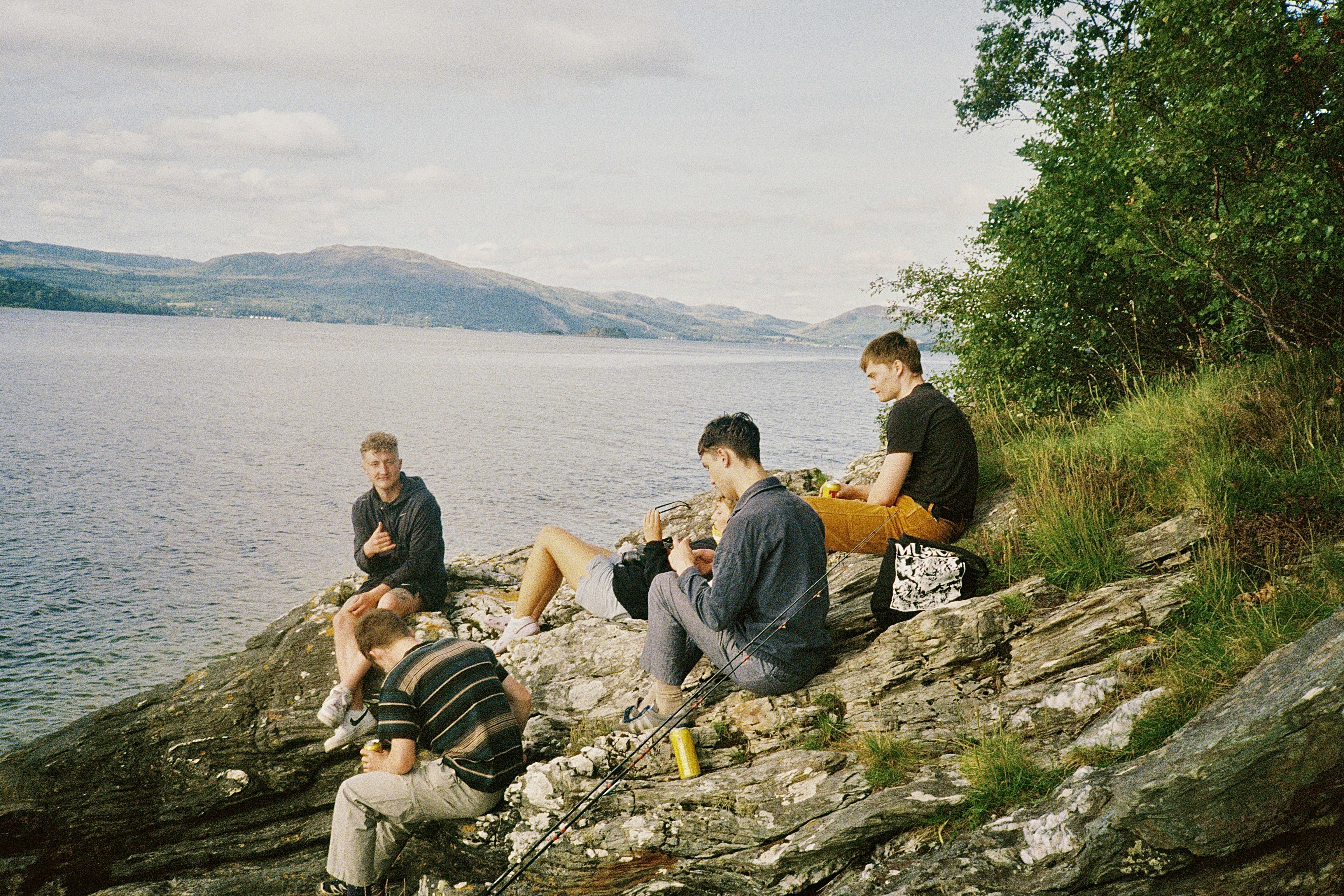
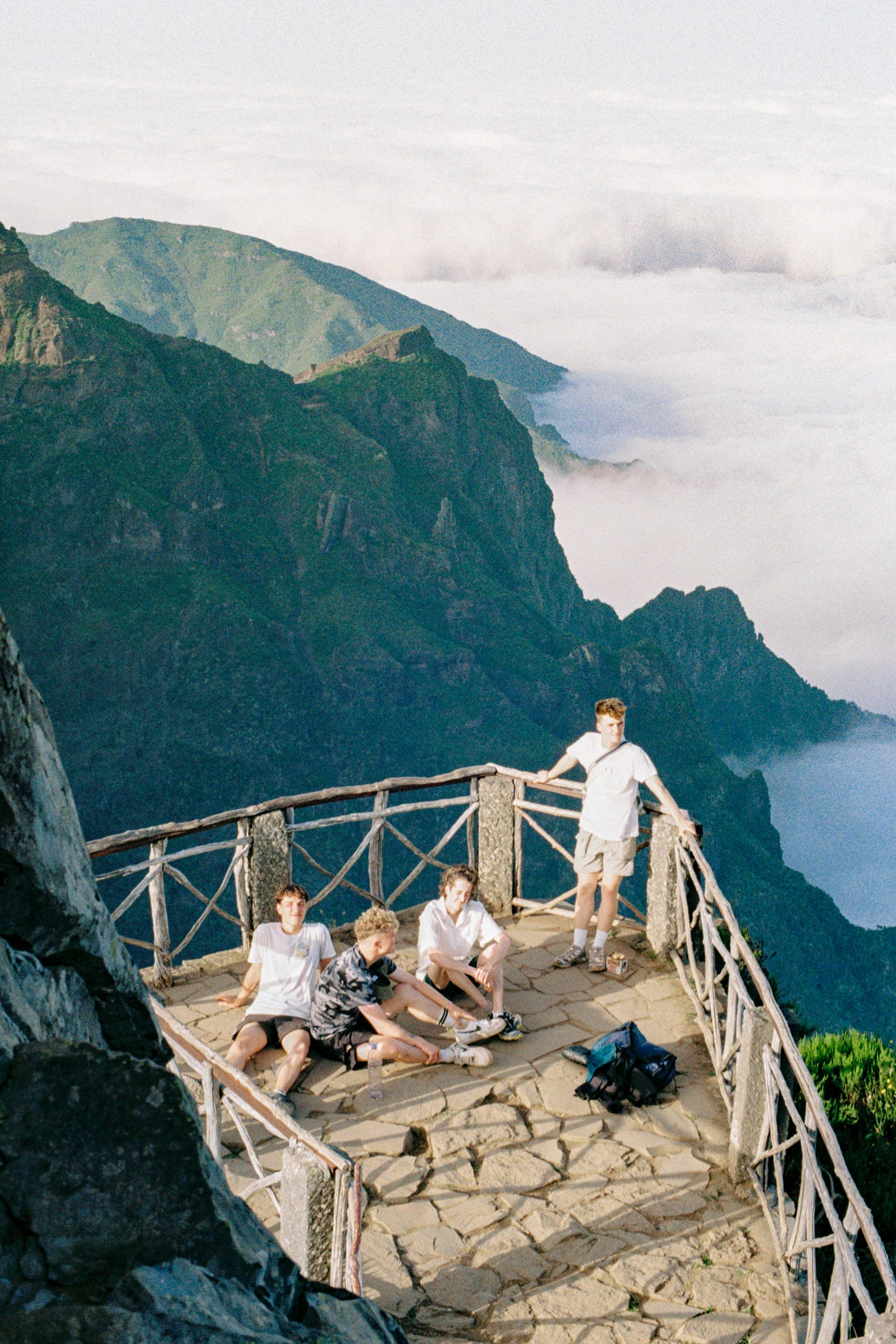
Good engineering is not just technical, and I think the best designers know that. A lot of what shapes how I work comes from outside the discipline entirely. Cooking is the obvious one for me. It requires the same things good design does: curiosity, organisation, and the willingness to try something that might not work. The part I love most is what it does for other people. Making something and putting it in front of someone is immediate in a way that engineering rarely is, and that feedback loop is something I actively try to bring back into how I approach design problems.
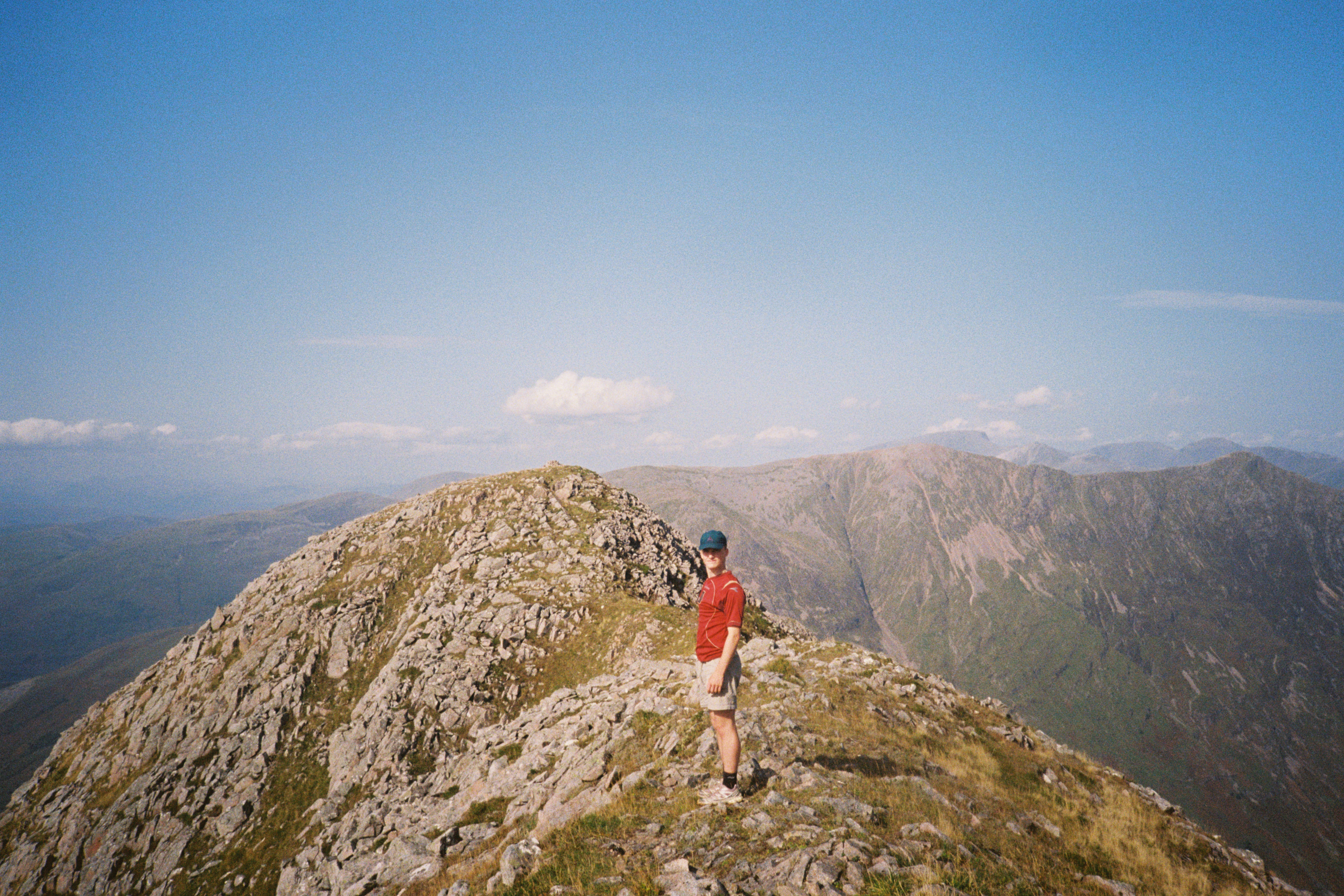
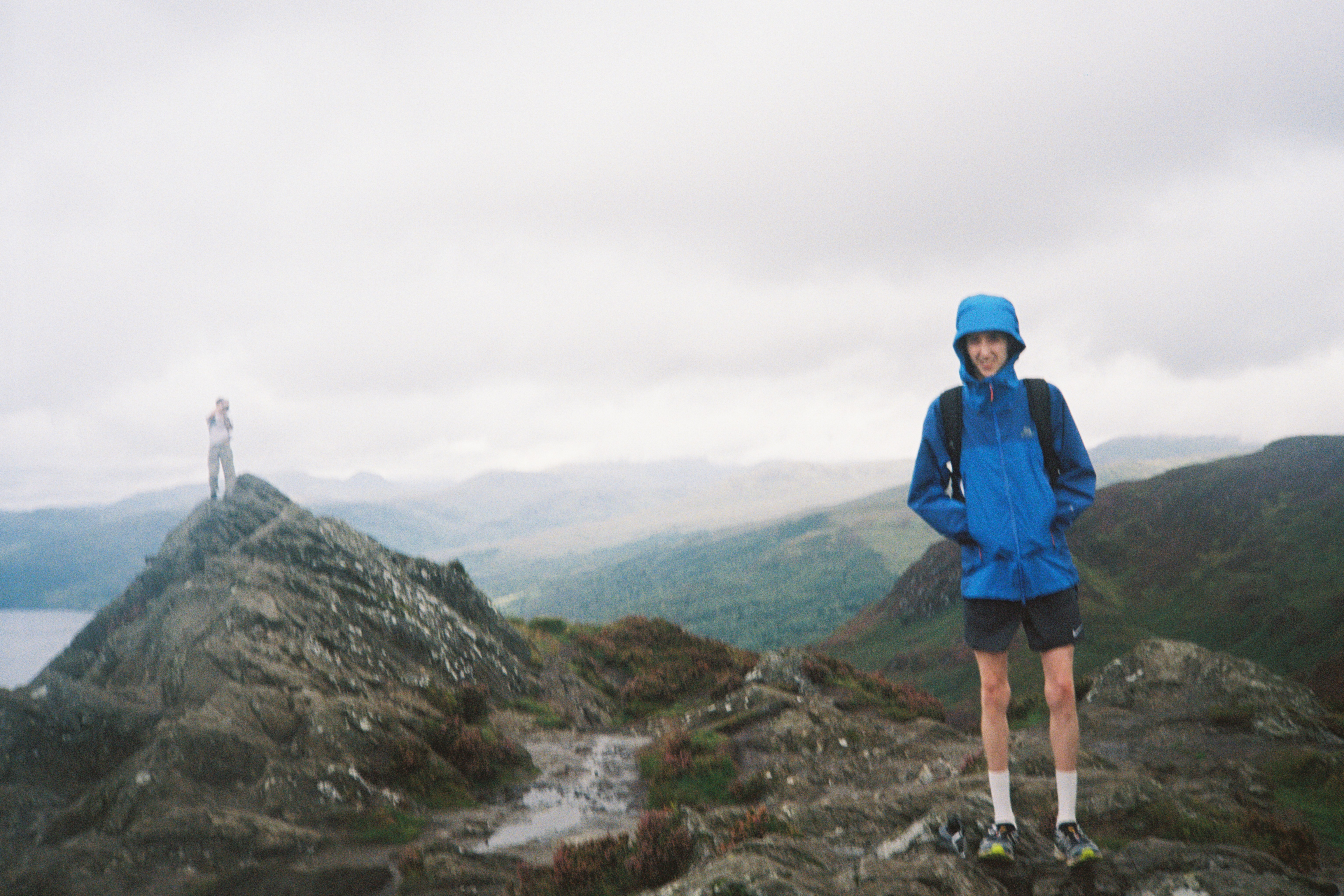
Having interests outside the discipline makes you better at it. You notice things differently, draw connections that someone who never left the desk would miss, and you are generally more interesting to work with. That means for me outside of work, cooking for friends, working through the Munros one at a time, and finding excuses to be somewhere with bad signal and good company.
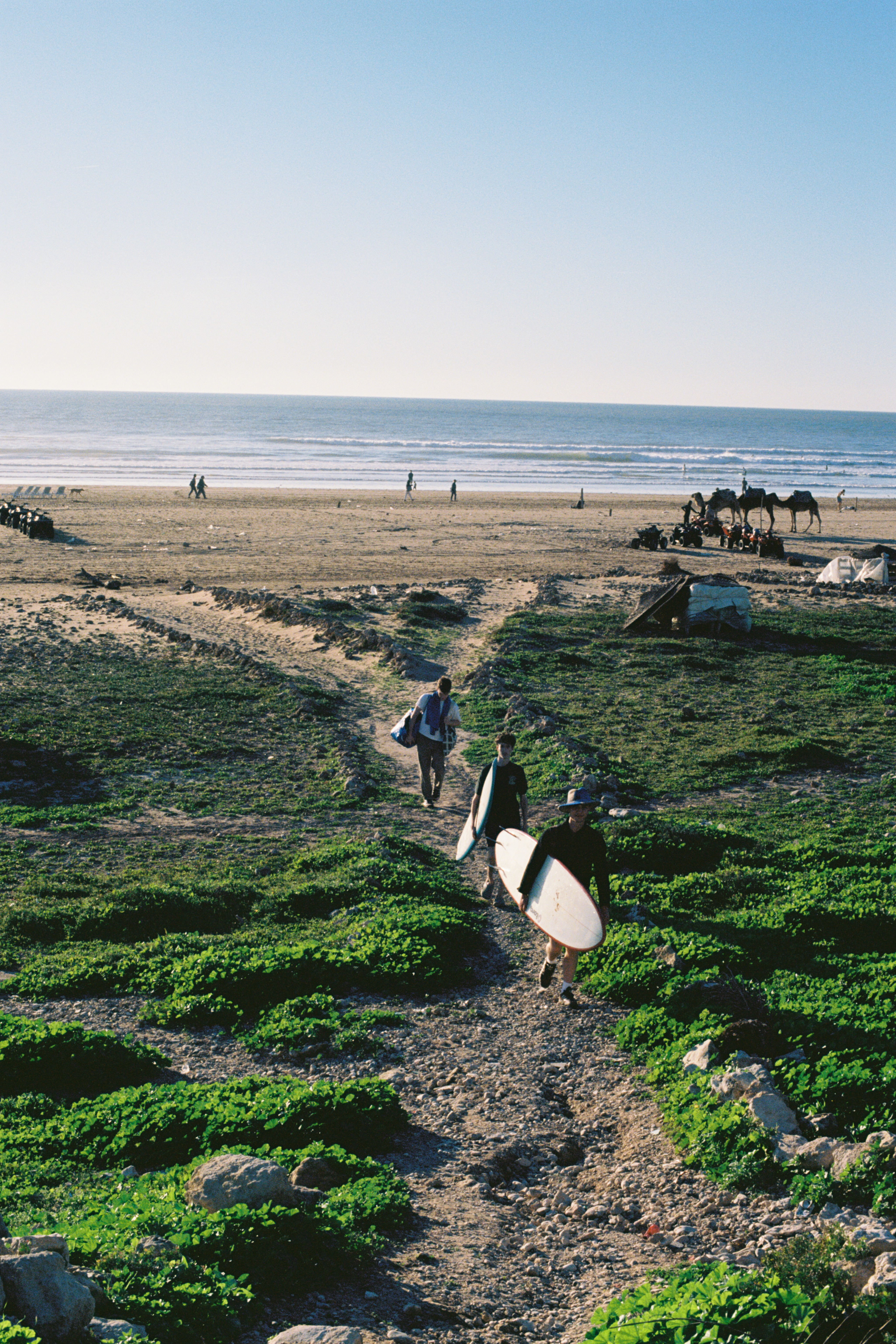
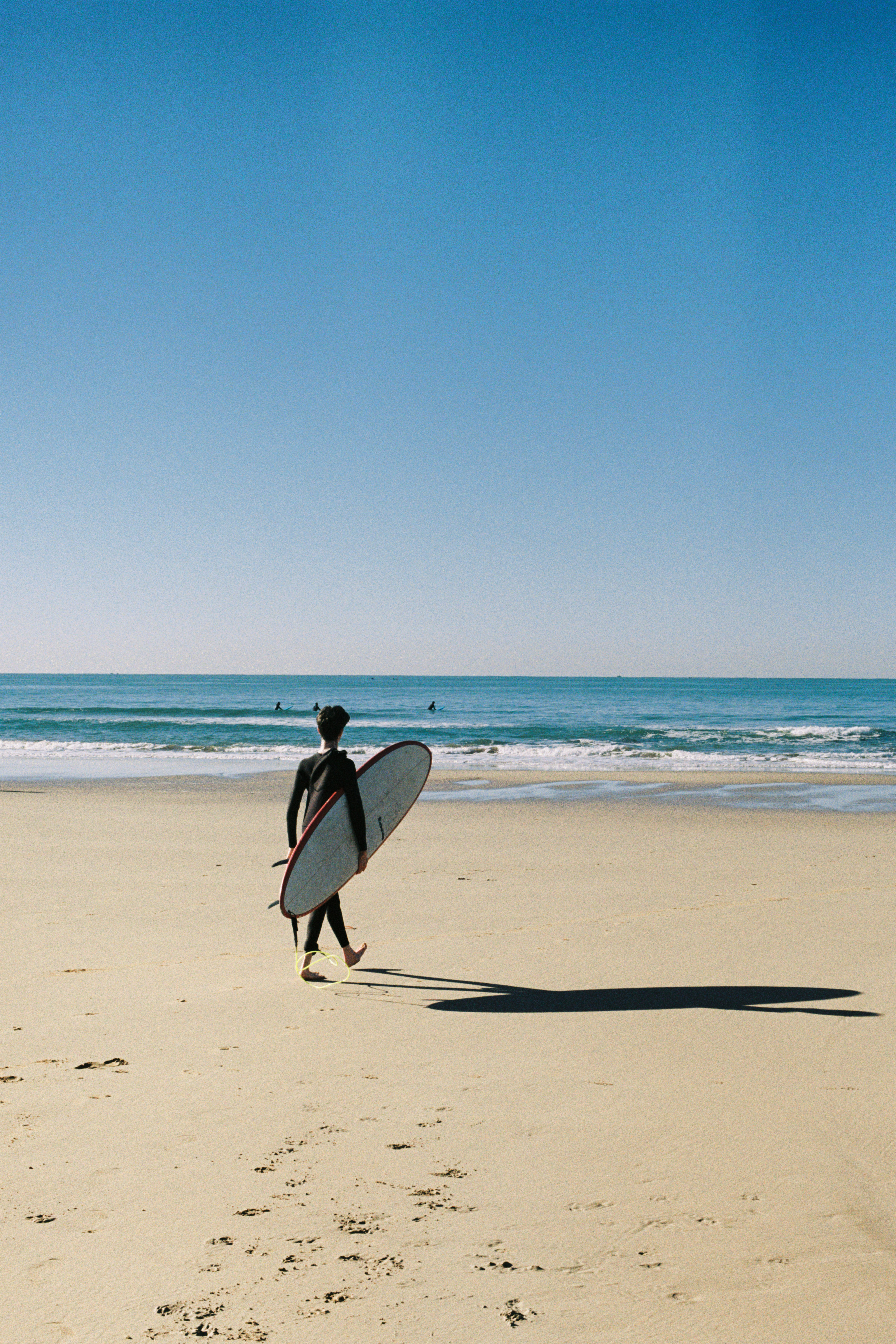
Social Secretary for the University of Bath Surf Society in my final year. The job involved organising socials around Bath and a trip to Taghazout for 120 students. Transfers, accommodation, surf hire, lessons, the lot. Somehow it all came together. Nobody drowned, which felt like a reasonable outcome for a beginners uni trip!
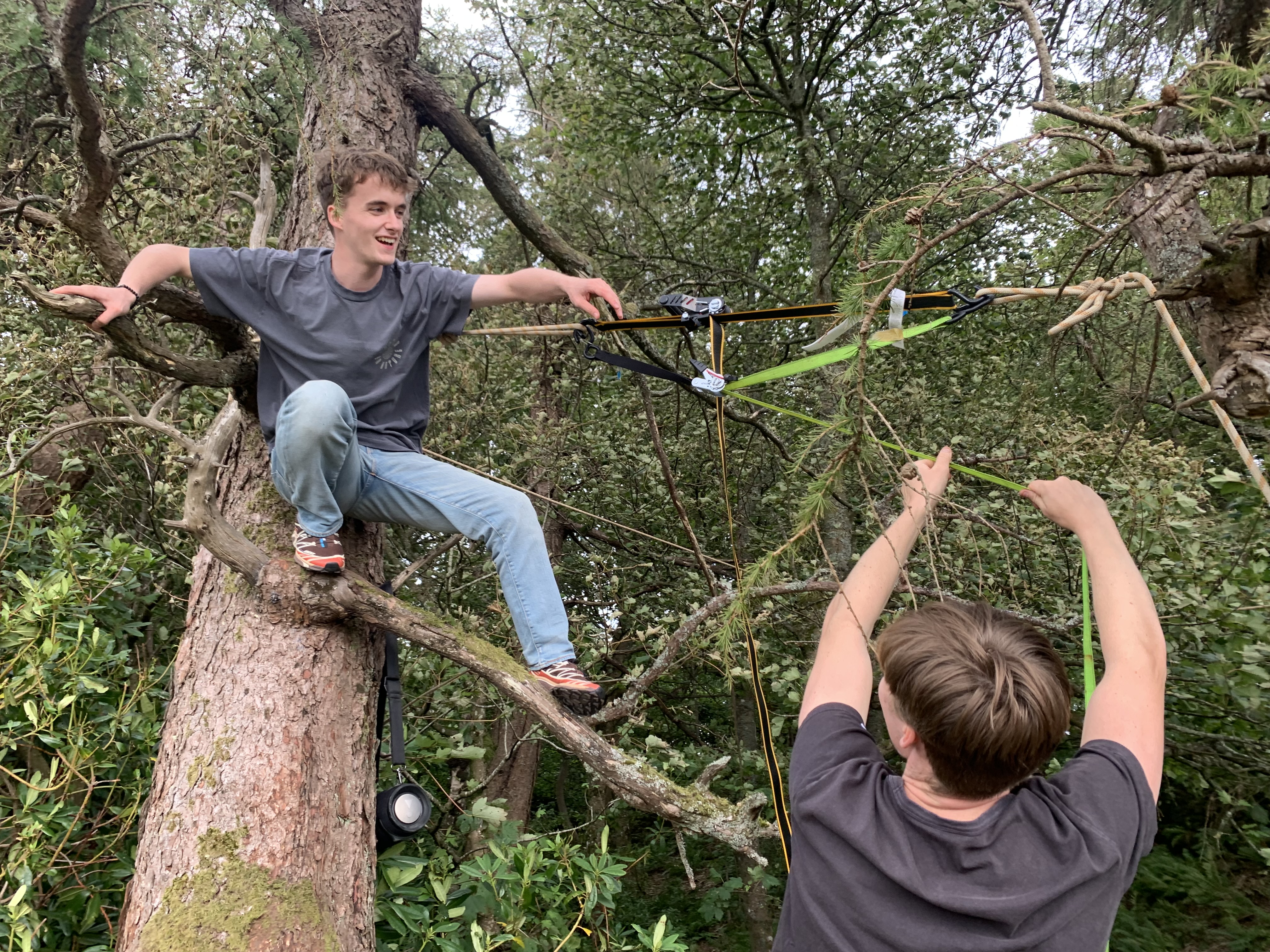
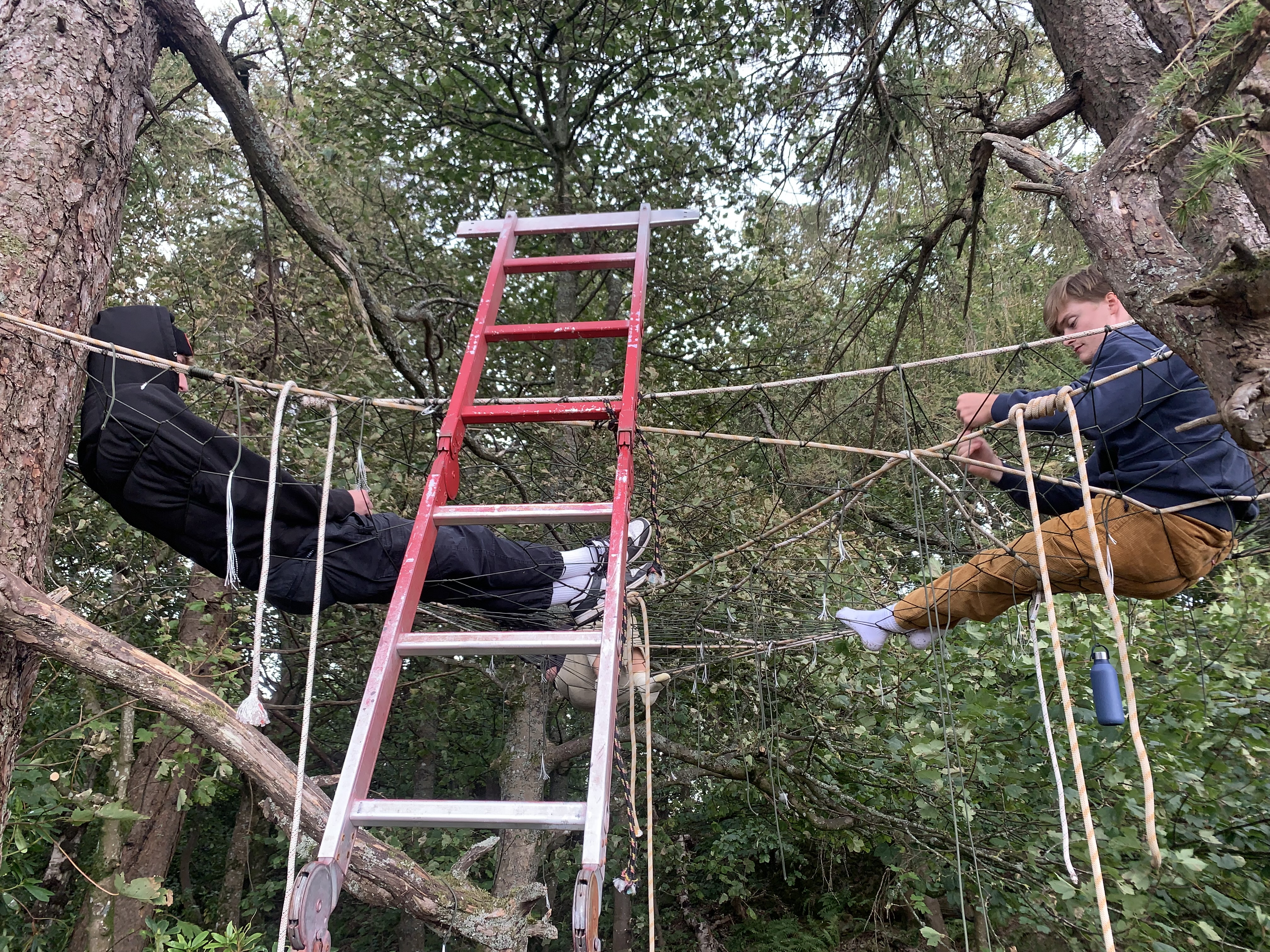
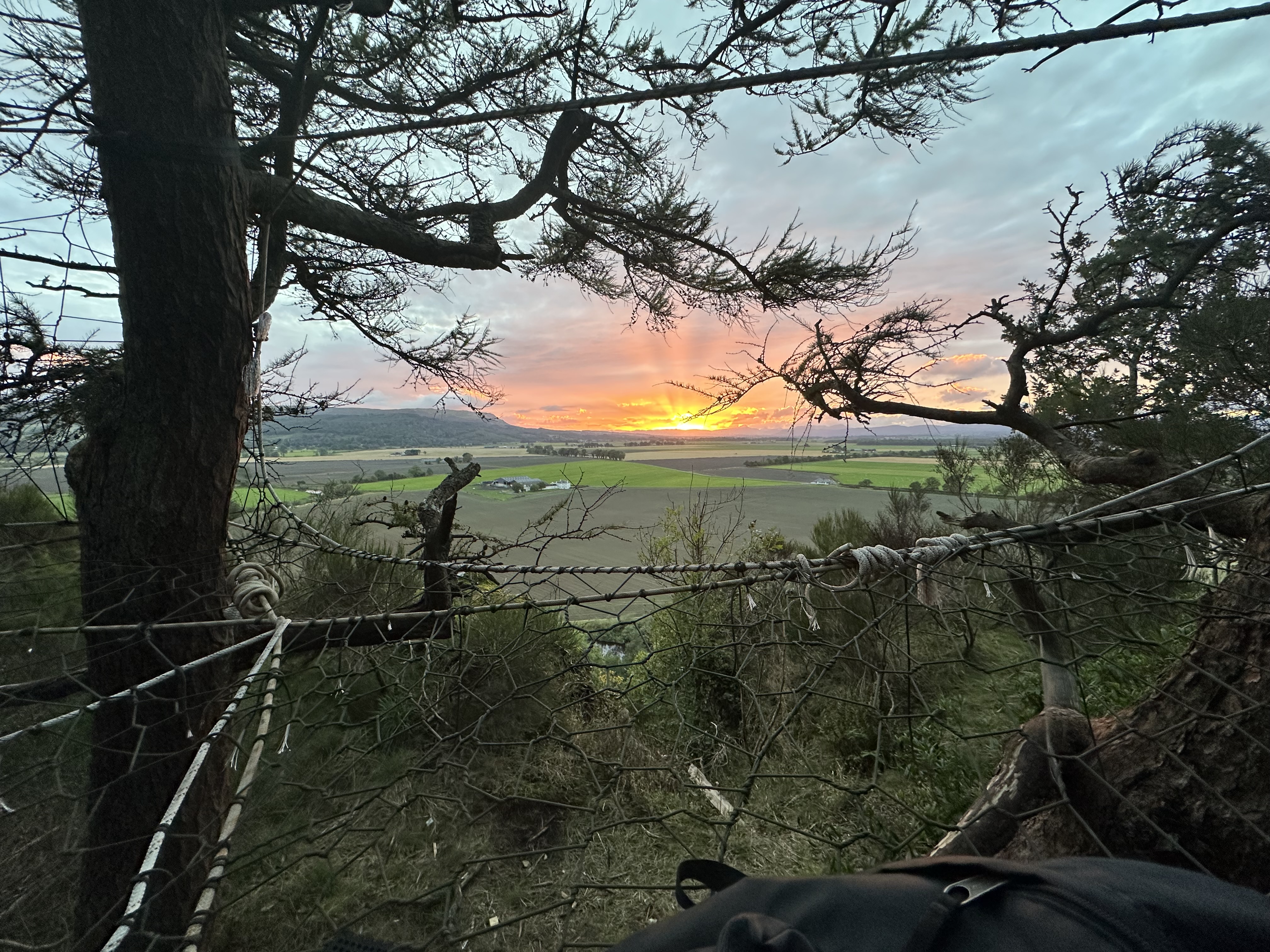
Climbing rope, 550 paracord, and several weekends of genuinely difficult knotwork. The frame is tensioned between three trees and held purely by the knots, the platform woven from scratch. Built as somewhere to get together with friends - a view worth making an excuse to meet up and have a beer.
Outer perimeter: climbing rope tensioned using a combination of ratchet and knotwork.
On the few days of good weather Scotland actually provides, I'll be somewhere with no signal and people I actually want to spend time with. Camping, hiking, and working through the Munros. 54 down, only 228 to go!
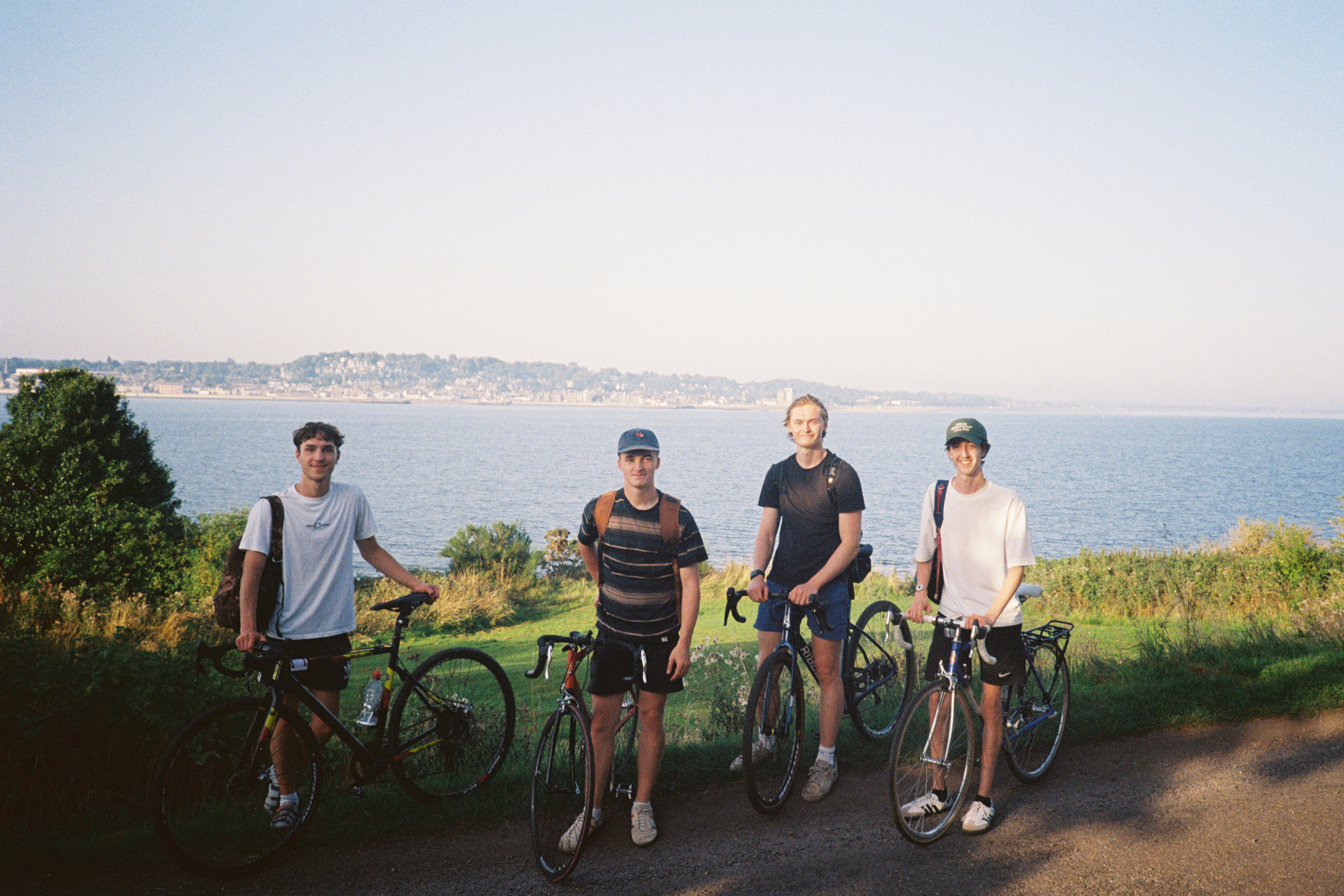
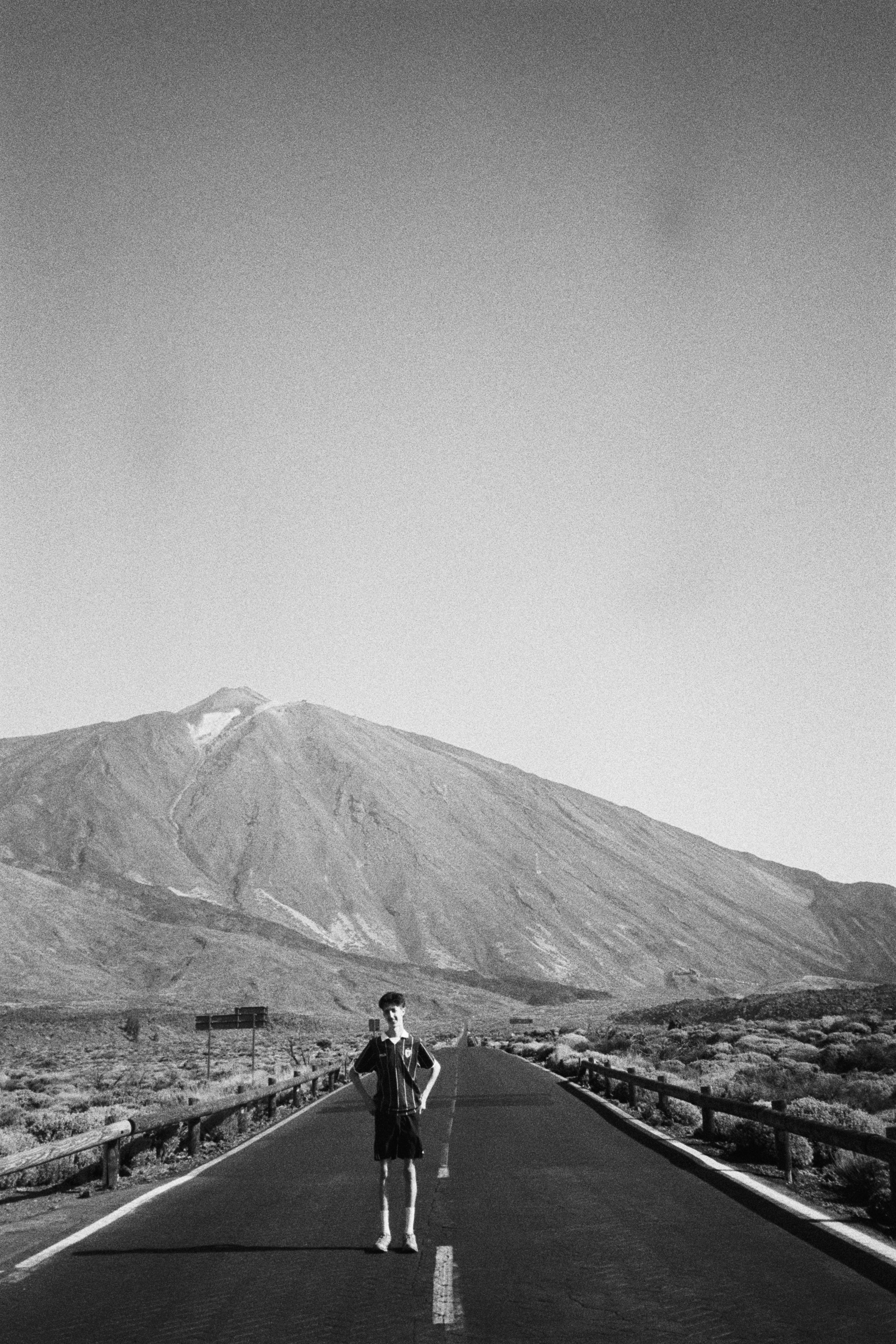
Moving to the Netherlands will take some adjusting, being below sea level rather than hundreds of metres above it. On the bright side, I'm told the cycling routes are excellent so at least the bikepacking can finally happen.
I work best in small, close-knit teams where you can actually own something and work across disciplines rather than staying in your lane. On placement I found myself working alongside electrical, chemical and industrial engineers and that exposure, having to understand how my design impact/matter to people outside my discipline, was where I learned fastest and got the most done. That kind of environment is hard to replicate and I actively look for it.
The problems I find most interesting are human-centred ones. Not as a design methodology, just as a way of thinking. The most overlooked problems are usually the ones that affect people directly and get deprioritised because they are messier, harder to quantify, and often more expensive to solve. Every person's situation is specific, which means the effort required to actually solve it properly is higher. That effort feels necessary rather than optional if the goal is something meaningful rather than something that just ships.
Which is probably why smaller suits me better at this stage. Faster feedback, more independence, and you see the consequence of your decisions quickly enough to actually learn from them. I went from a small design consultancy to a large pharmaceutical company on placement and the difference was clear. I would rather be one of five than one of five hundred right now.